Games for Elderly
Games for Elderly (That Are Actually Fun)
If you’re planning a family get-together, organizing activities for a retirement home, or just looking for ways to spend meaningful time with a loved one, the right games can make all the difference. The best part? They don’t need to be complicated or high-energy to be fun.
Here are a bunch of ideas that are easy to set up, enjoyable for all ability levels, and guaranteed to spark smiles.
Why Games Matter for Seniors
Before we get into the games, it helps to understand why they’re so valuable.
Games can:
- Keep the brain engaged and sharp
- Improve memory and concentration
- Encourage social interaction
- Boost mood and reduce feelings of loneliness
- Provide gentle physical activity (depending on the game)
And they just make the day feel lighter.
1. Bingo (A Classic That Never Gets Old)
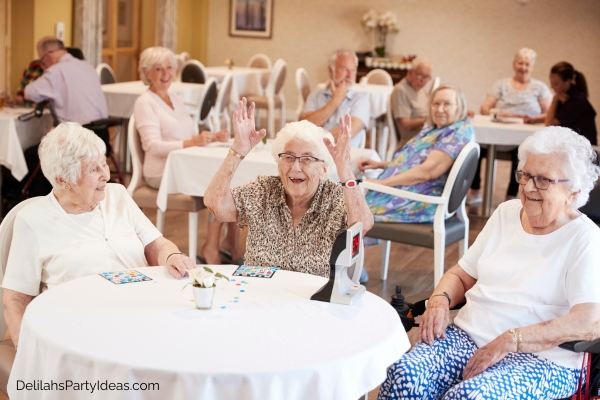
You really can’t go wrong with Bingo. It’s simple, familiar, and brings a little excitement with every number called.
How to play:
- Hand out Bingo cards and markers
- Call out numbers randomly
- First person to complete a pattern wins
Make it extra fun:
- Use themed prizes (chocolate, cozy socks, puzzle books)
- Switch up patterns (lines, corners, full house)
- Add a fun twist like “funny forfeits” for winners
2. Card Games (Simple and Social)
Card games are perfect because they can be adjusted to suit different skill levels.
Great options include:
- Go Fish
- Rummy
- Crazy Eights
- Solitaire (for solo play)
Why they work:
They’re easy to learn, encourage conversation, and don’t require much setup.
3. Memory Matching Game
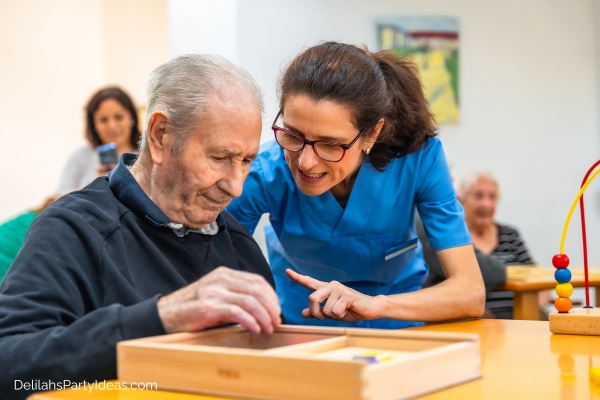
This one is wonderful for gently exercising memory skills.
How to play:
- Lay cards face down
- Players take turns flipping two cards
- Try to find matching pairs
Tips:
- Use large, easy-to-see cards
- Keep the number of cards manageable
- Choose familiar images (animals, foods, family photos)
4. Trivia Games
Trivia is a great way to spark memories and stories.
Ideas for trivia topics:
- Old movies and TV shows
- Music from their younger years
- Historical events
- Famous personalities
How to make it engaging:
- Turn it into a team game
- Keep it light no pressure to get everything right
- Encourage storytelling when answers bring up memories
5. Puzzle Time (Relaxing and Rewarding)
Jigsaw puzzles are perfect for quiet, focused fun.
Why they’re great:
- Improve problem-solving skills
- Promote relaxation
- Can be done solo or in groups

Make it easier:
- Choose puzzles with larger pieces
- Pick bright, clear images
- Work on it over several days as a shared project
6. Chair Exercises with a Twist
This isn’t a traditional “game,” but adding a playful element makes it feel like one.
Try this:
- Play music and pass a ball
- When the music stops, the person holding the ball does a gentle stretch or answers a fun question
It’s a great way to get a little movement in without pressure.
7. Word Games (Perfect for Mental Stimulation)
Word games are fantastic for keeping the brain active.
Fun options:
- Word search puzzles
- Scrabble (or simplified versions)
- “Name that word” guessing games
Group idea:
Pick a category (like fruits or countries) and go around naming one item each no repeats!
8. Dice Games (Simple and Exciting)
Dice games are easy to learn and bring a little suspense.
Example game:
- Roll a dice
- Each number corresponds to a fun action or question
Ideas for actions:
- Share a favorite memory
- Tell a joke
- Sing a line from a song
9. Balloon Volleyball
This one always gets laughs.
How to play:
- Use a balloon instead of a ball
- Sit players in chairs facing each other
- Use a string or table as a “net”
Why it’s great:
It’s gentle, safe, and surprisingly competitive in the best way.
10. Storytelling Circle
This is less about winning and more about connection.

How it works:
- One person starts a story with a sentence
- Each person adds to it
The result:
A funny, often unexpected story that everyone helps create.
11. Musical Memories
Music has a powerful way of bringing back memories.
Game ideas:
- Play a song and guess the title
- Finish the lyrics
- Share what the song reminds you of
You’ll often find this turns into a beautiful moment of reminiscing.
12. Picture Guessing Game
How to play:
- Show a zoomed-in picture
- Players guess what it is
Make it fun:
Use everyday items or nostalgic objects.
13. “Would You Rather?” (Lighthearted Fun)
This one always sparks laughter.
Examples:
- Would you rather live by the beach or in the mountains?
- Would you rather eat sweets forever or never again?
Keep it light and playful there’s no wrong answer.
14. Dominoes
Dominoes are a wonderful mix of strategy and simplicity.
Why seniors love it:
- Easy to learn
- Encourages focus
- Can be played at a relaxed pace
15. Coloring Activities
Coloring isn’t just for kids it’s incredibly calming.
Ideas:
- Adult coloring books
- Simple patterns
- Seasonal designs
Pair it with a cup of tea and soft music, and you’ve got a perfect afternoon.
16. Scavenger Hunt (Indoor Version)
A gentle scavenger hunt can be so much fun.
How to play:
- Create a list of easy-to-find items
- Work individually or in teams
Examples:
- Something red
- Something soft
- Something that makes you smile
17. Board Games (Keep It Simple)
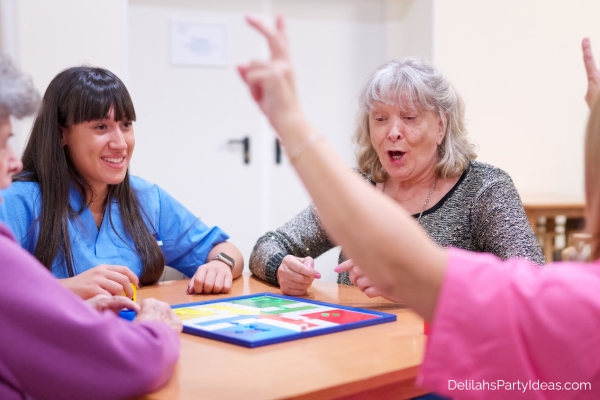
Classic board games are always a hit.
Good choices:
- Snakes and Ladders
- Checkers
- Connect Four
Look for versions with larger pieces for easier handling.
18. Joke Time
Laughter really is the best medicine.
Game idea:
- Take turns telling jokes
- Vote for the funniest one
Even the silliest jokes can brighten the whole room.
19. Matching Songs to Decades
This one mixes music and memory.
How to play:
- Play songs from different decades
- Guess which decade they’re from
It often leads to fun conversations about “back in the day.”
20. Pass the Parcel (Gentle Version)
This is such a nostalgic game and works beautifully with seniors.
How to play:
- Wrap a small prize in layers of paper
- Pass it around while music plays
- When the music stops, unwrap a layer
Add little notes or treats in each layer for extra fun.
Tips for Making Games Enjoyable for Seniors
A few small adjustments can make a big difference:
Keep instructions simple:
Short and clear is best.
Focus on fun, not competition:
Winning is great, but laughter is better.
Be mindful of abilities:
Choose games that suit mobility, vision, and memory levels.
Create a cozy environment:
Good lighting, comfortable seating, and minimal noise help everyone relax.
Encourage participation but don’t force it:
Some people prefer to watch, and that’s okay too.
Bringing It All Together
At the end of the day, it’s not really about the game itself it’s about the feeling it creates.
It’s the laugh when someone forgets the rules halfway through.
It’s the story that pops up during a trivia question.
It’s the quiet satisfaction of finishing a puzzle together.
Those are the moments that matter.
So whether you’re planning a full-on game day or just looking for something simple to brighten the afternoon, these ideas are a lovely way to connect, share, and enjoy time together.